Ukraine Intensifies Maritime Attacks
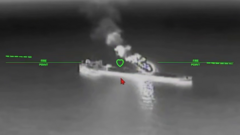
Ukraine's military has stepped up its efforts in targeting Russian maritime logistics around the annexed Crimean peninsula. Over recent days, Ukrainian forces have reportedly struck at least 36 ships in the Sea of Azov, an inland body of water connected to the Black Sea via the Kerch Strait. According to Robert Brovdi, the commander of Ukraine's drone force, many of these vessels are part of Russia's "shadow fleet" of commercial oil tankers. The precise number of affected ships remains uncertain as some may have been hit multiple times, and not all incidents have been independently verified.
Impact on Russian Fuel Supplies
The strikes are seen as a significant setback for Russia's naval operations and President Vladimir Putin's commitment to ensuring fuel deliveries. This action represents the latest phase of Ukraine's "logistics lockdown," aimed at severing supply lines into and out of Crimea. The Sea of Azov has witnessed a common presence of tankers due to an onshore oil loading facility at Kerch port. Following recent Ukrainian attacks on Kerch, satellite imagery analyzed by BBC Verify showed a decrease in tanker numbers in the area.
Recent Strikes and Responses
Footage of the nocturnal strikes began circulating on social media, with Brovdi detailing attacks occurring daily between 6 and 9 July. Yuri Slyusar, the governor of Russia's Rostov region, reported attacks on two empty tankers in Taganrog Bay, which continued to burn the following day. Ukrainian forces claim that recent targets included tankers transporting around 7,000 tons of fuel each from Taganrog to Crimea.
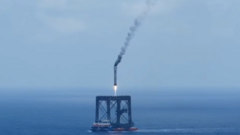
Nasa data and satellite images captured large plumes of smoke from one ship near the Crimean coast, with further vessels seen moving towards the Black Sea. Ukraine's Unmanned Systems Forces identified several tankers, including Venera-3, Sanar-1, Sanar-17, and others, as being targeted. Additionally, attacks were reported on a passenger ferry and a bulk carrier docked at Kerch port.
Continued Drone Operations
Ukraine's drone operations extend beyond the Sea of Azov. Footage released by Ukraine's general staff showed a naval drone attacking a sanctioned tanker near the Black Sea resort city of Yalta in occupied Crimea. This incident, though unconfirmed in location, highlights the broader reach of Ukraine's strategic maritime strikes.
Consequences and Reactions
The escalation coincides with ongoing Ukrainian strikes on Russian oil refineries, contributing to fuel shortages across Russia, including in major cities like Moscow and St Petersburg. Ukrainian President Volodymyr Zelensky has defended these actions as a justified response to Russian aggression, emphasizing that Russian citizens should recognize their government's role in the conflict.
In a recent meeting with Ukraine's President at a NATO summit, US President Donald Trump acknowledged the drone strategy as an escalation but suggested it could potentially lead to a resolution. Reports from Ukrainian sources indicate a surge in attacks on Russian maritime logistics, with 12 tankers reportedly targeted in one night. Russian sources have not disputed the details or authenticity of the footage.
The situation has prompted criticism from Russian channels, which described the vulnerable state of the tankers as a shooting gallery for Ukrainian drones. Some have noted that the Russian Black Sea Fleet remains largely confined to Novorossiysk, restricting its ability to defend against such attacks. The strikes have further exacerbated fuel shortages, particularly in Crimea, despite Putin's assurances of increased supply deliveries.
These developments have led to widespread fuel rationing and shortages in over 90% of Russian regions, with export bans on diesel and long queues at filling stations in major cities. In Crimea, the situation remains dire as Russian-appointed authorities struggle to manage disruptions in power supplies and transportation.
Source: Original Article